A home that grows with the family
How to design spaces that adapt with needs?
Home chamber
Private house construction
Building a private house is not just about meeting today's needs; it is a long-term investment. Families grow, habits change, and life brings surprises that cannot always be foreseen. Therefore, the principle of "a home that grows with the family" is gaining more and more popularity.
This means planning spaces, communications, and functions so that the home is comfortable both now and in 10–20 years. We highlight strategies for creating a home that is flexible, future-proof, and easily adaptable.
Multi-purpose rooms
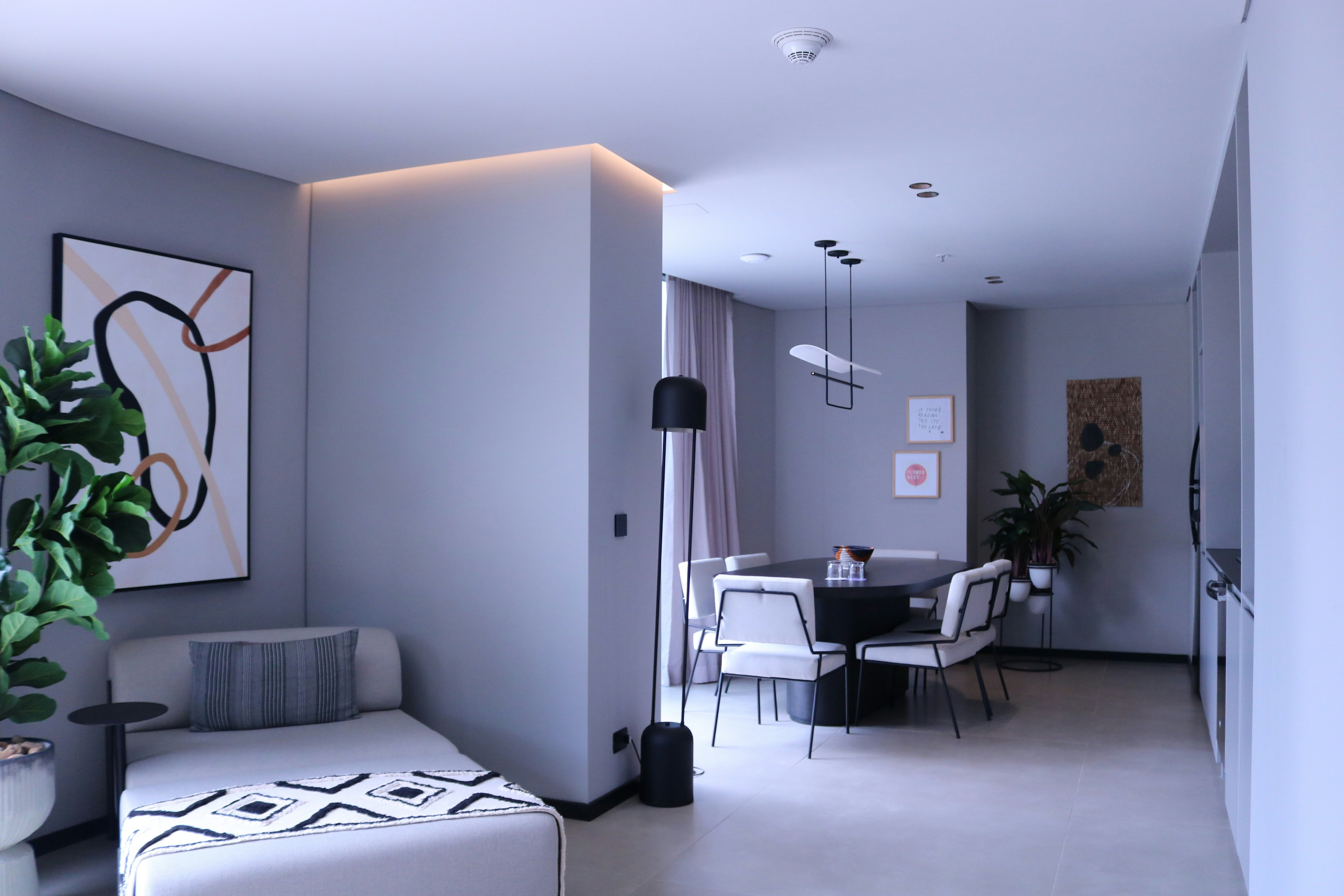
The most valuable spaces in a home are those that serve different roles at different stages of life. For example, a home office or guest room that can turn into a nursery or vice versa, or a recreation room that is first suitable as a children's play area, and later as a hobby studio or workout corner. Also, a larger bedroom that can easily be divided into two with a partition wall in the future.
Well-planned multifunctionality means that the space can be adapted with little effort.
Flexible space planning: think of walls that can be moved
For a more flexible life, it is worth using non-load-bearing partition walls, concentrating technical systems in one area, and leaving the possibility to connect or separate rooms in the future. Thus, today's home office can become tomorrow's playroom and later a guest room without expensive remodeling.
Future-oriented design means planning spaces so that there are:
places for future wardrobes or built-in solutions
space next to the utility room for new equipment
the possibility to build out an attic or an extra room on the second floor
Small decisions during construction give great opportunities later.
Growing children – spaces that change with time
In families with children, space usage changes the fastest. Therefore, during the design stage, it is worth considering sufficient pathways and space, logical access to rooms and bathrooms, study, hobby, and storage needs, as well as privacy for teenagers. Such a layout avoids the cramped conditions that can arise precisely when family members need their own space the most.
Long-term technical systems
Technical systems determine how easily a home can be modified.
A flexible solution means:
concentrating piping into a single shaft
sufficient electrical board capacity for future appliances
planning ventilation and heating systems so that they do not obstruct room modifications
the possibility to add smart home or energy storage solutions
This ensures lower costs and more freedom of choice in the future.
An outdoor area that evolves with life
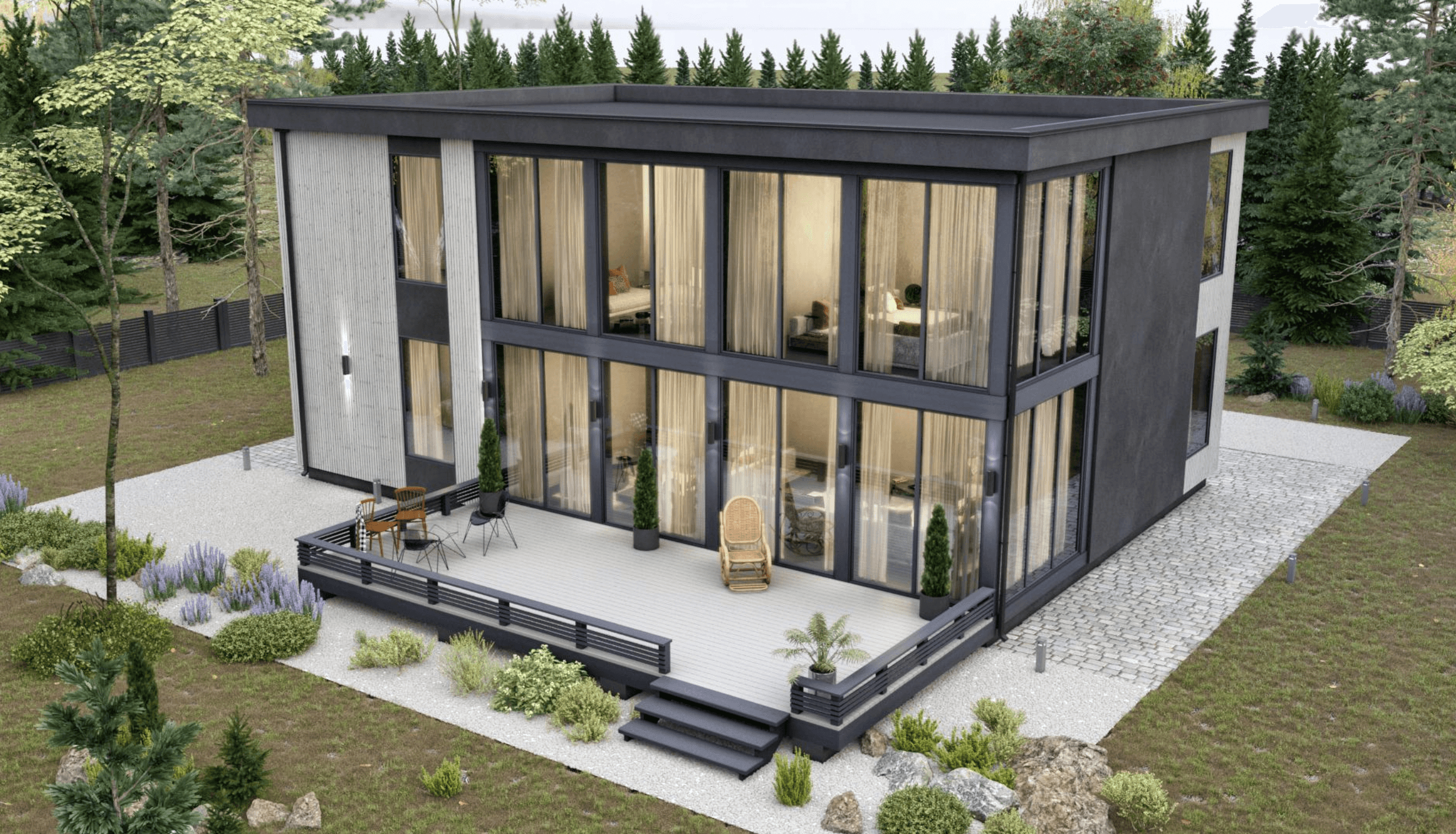
The outdoor area can also be flexible, for example, a terrace that can be expanded, or a space for an outdoor kitchen instead. A well-planned outer area functions as a practical extension of the home.
Flexible home = a long-lasting home
A home that grows with the family is a long-term investment in comfort, value, and your wallet. Such a home adapts to the family's changing needs, reduces remodeling costs, and remains functional for decades. A future-proof home is an agreement between wisely planned spaces, technical systems, and lifestyle needs.